

The Asafo companies of the Fante people represent one of the most striking examples of indigenous military organization and cultural resilience in West Africa.
Beyond their martial origins, these groups evolved into social, political, and artistic pillars of Fante society, guarding not only towns but also traditions and symbols of resistance against both external and internal threats.
The Formation of Asafo Companies
In their earliest form, Asafo companies were neighborhood-based militias that united men within specific wards or communities.
Every Fante town was divided into sections, and residents joined companies that bore distinctive flags, drums, and emblems.
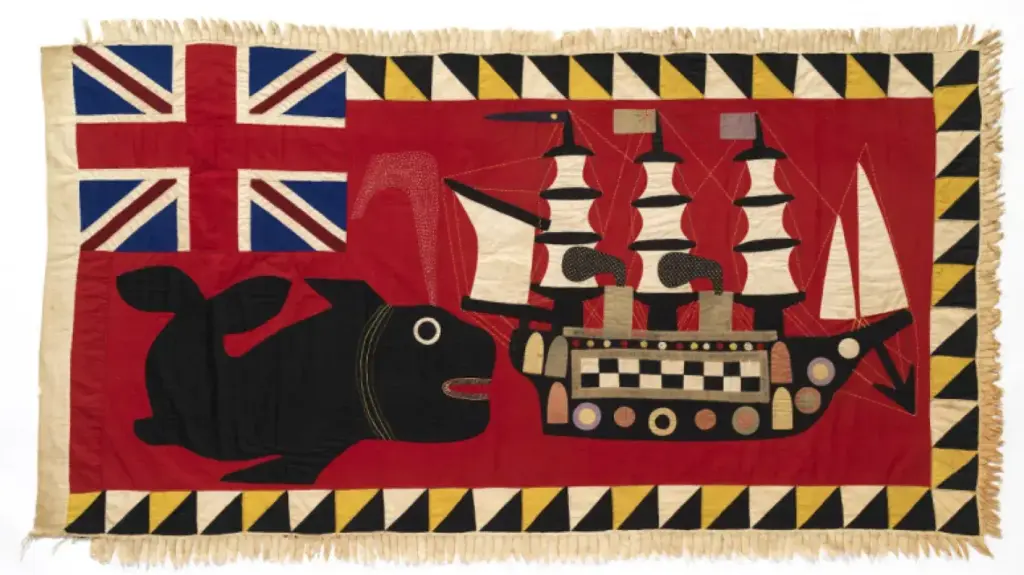
The honor of defending one’s flag and serving one’s company was considered a sacred civic duty. These companies were led by headmen, flag bearers, and drummers, forming an organized system that uniquely blended warfare, governance, and ritual.
Asafo and Social Unity
In those times, Asafo companies were more than defense units: they were bonds of fraternity.
They created kin-like networks that transcended lineage, offering protection and belonging in uncertain times of trade, enslavement, and insecurity.
Members of the Asafo swore allegiance to each other and to their town, symbolizing an egalitarian structure that contrasted with the hierarchical chieftaincy system.
During the colonial era, they became powerful social forces, defending communities against oppressive chiefs and foreign administrators alike.
Artistic Expression and Cultural Identity
The Asafo also gave rise to a rich artistic tradition. Their flags: colorful, satirical, and symbolic, became the visual language of Fante identity.
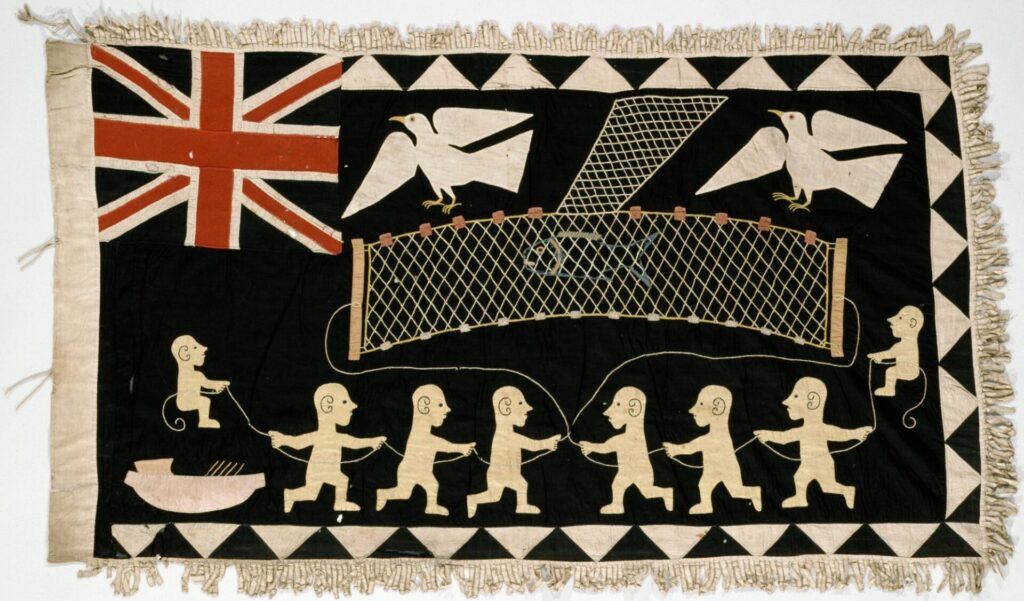
Each design, often painted or appliquéd with animal motifs or proverbs, conveyed the moral and spiritual strength of the group.
Shrines, called posuban, were built to commemorate military victories and honor the spirits that guided them.
Today, these artistic forms remain central to Fante festivals, funerals, and national heritage celebrations.
The Asafo in Modern Context
Even after the decline of warfare, Asafo companies have endured as cultural custodians.
They perform during processions, funerals, and national holidays: keeping alive the songs, dances, and flag artistry that once unified the coastal militias.
They are a representation of the broader Fante context: a community that adapted its warrior traditions to preserve social cohesion and artistic pride amid centuries of transformation with the coming of the Europeans.